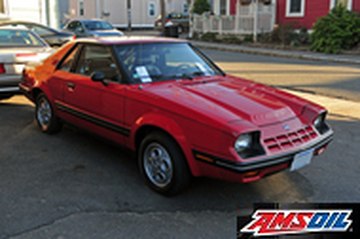
Maintenance Guidance for the 1983 Ford EXP 1.6L
Maintaining a vehicle like the 1983 Ford EXP requires consistent attention to fluid levels and scheduled service to ensure long-term operational stability. Proper lubrication of the engine and transmission is fundamental to preventing premature wear on internal components. This guide provides information regarding specific fluids listed for this application and general maintenance principles for your vehicle.
What transmission fluid is listed for my 1983 Ford EXP 1.6L?
The following products are listed for this vehicle: Super Shift® Racing Transmission Fluid SAE 10W, Signature Series Multi-Vehicle Synthetic Automatic Transmission Fluid, OE Multi-Vehicle Synthetic Automatic Transmission Fluid, and Torque-Drive® Synthetic Automatic Transmission Fluid.
Engine Oil Lubrication Standards
The engine is the heart of your vehicle, and its longevity depends heavily on the quality and type of oil used during every service interval. For the 1983 Ford EXP 1.6L, the database allows for the use of 5W-30 engine oil. Using a viscosity that matches the manufacturer's requirements helps ensure that the oil can flow properly through the engine galleries, reaching critical components like camshafts and bearings during startup and throughout various operating temperatures.
When selecting an oil, it is important to maintain consistency. While modern synthetic technologies offer different properties than those available in 1983, adhering to the specified viscosity grade remains a primary requirement for maintaining the correct oil pressure and lubrication film thickness within the engine.
Monitoring Fluid Levels Regularly
One of the most effective ways to prevent mechanical failure is through regular visual inspections. You should check your engine oil level using the dipstick frequently, especially before long trips or if you notice any changes in how the vehicle operates. Low oil levels can lead to increased friction, overheating, and potential engine seizure.
Similarly, checking transmission fluid levels is a vital part of routine maintenance. While many modern vehicles have sealed systems, older configurations often require periodic checks to ensure the fluid level remains within the appropriate range. If you notice any discoloration or a burnt smell coming from the transmission area, it may indicate that the fluid has degraded and requires attention.
Identifying Potential Leaks
Leaks can be categorized into two main types: external leaks and internal consumption. External leaks are often visible as puddles on your driveway or wet spots on the engine block and transmission housing. Common culprits include worn gaskets, seals, or loose drain plugs. If you observe oil or transmission fluid dripping from the vehicle, it is important to identify the source promptly to prevent a significant loss of fluid.
Internal consumption occurs when the engine burns oil, often indicated by blue-tinted smoke from the exhaust. This can be caused by worn piston rings or valve seals. Monitoring your oil consumption between service intervals can help you catch these issues before they escalate into major mechanical repairs.
The Importance of Cleanliness in Maintenance
When performing any fluid-related maintenance, such as changing the engine oil or replacing a filter, cleanliness is paramount. Even microscopic particles of dirt or debris introduced during the process can cause significant damage to sensitive engine components. Always ensure that the area around the oil fill cap and the drain plug is clean before opening them.
Using clean tools and ensuring that any replacement parts are free from contaminants will help maintain the integrity of your lubrication system. This practice extends the life of the fluid and helps the filtration system work as intended by preventing premature clogging.
Following Manufacturer Maintenance Schedules
Every vehicle has a specific set of maintenance requirements designed to keep it running efficiently. For your 1983 Ford EXP, you should follow the owner's manual or the manufacturer's recommended maintenance schedule for all service intervals. These schedules dictate when to change the engine oil, inspect transmission fluids, and replace other essential components.
Adhering to these timelines helps prevent the buildup of sludge in the engine and ensures that the various fluids in your vehicle are replaced before they lose their protective properties. While driving habits can influence how quickly fluids degrade, the manufacturer's schedule provides the most reliable baseline for your maintenance routine.
BUYING ENGINE OIL
When you are ready to purchase oil for your 1983 Ford EXP 1.6L, ensure you are selecting a product that meets the 5W-30 viscosity requirement. Check the labels on the containers to confirm the SAE grade matches your needs. It is helpful to keep a record of the brand and type of oil you use to maintain consistency across your service history.